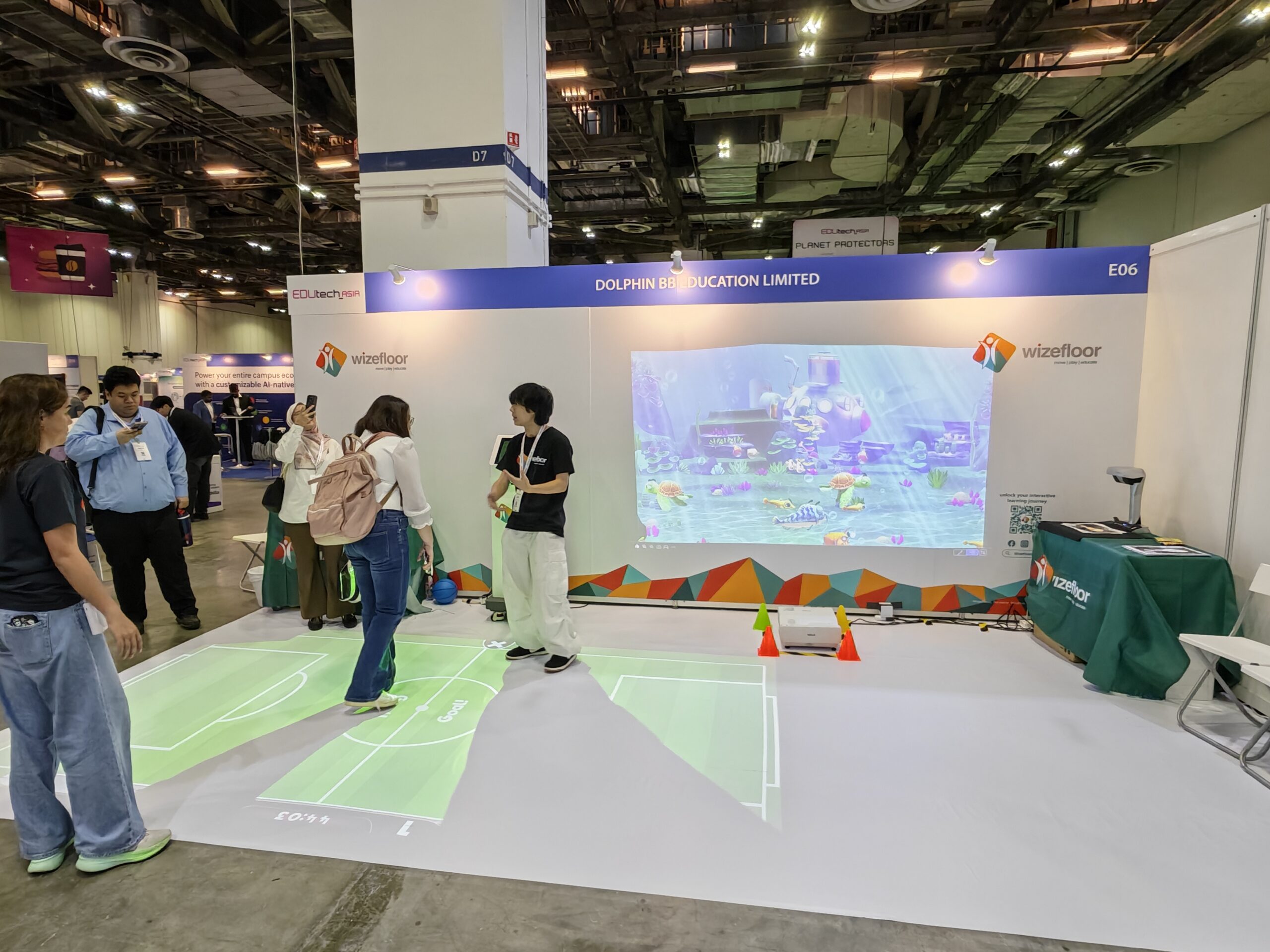

How can a classroom activity invite pupils to think, move and take part together? That question sits at the heart of WizeFloor's approach to interactive learning. EDUtech Asia 2026 brought educators and education technology providers together in Singapore on 4–5 November at Sands Expo & Convention Centre. At the WizeFloor display, visitors could see interactive activities projected onto the floor and explore how movement might become part of a lesson.
A learning space children can step into
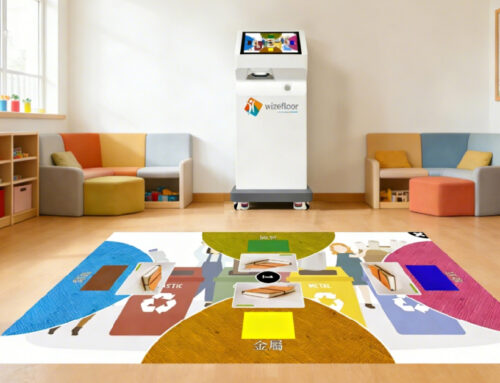
WizeFloor projects games and activities onto a surface that participants can interact with through movement. A teacher might use a matching task to revisit vocabulary, a group challenge to encourage discussion, or a short activity to give pupils a change of pace. The educational value depends on the task, the teacher's guidance and the needs of the learners.
For school leaders considering education technology, a useful starting point is to ask what pupils will do during an activity. Will they explain a choice, listen to a classmate or try a different approach? Those questions help a team judge how an interactive floor might fit its curriculum and available space.
What educators can explore next
Teachers can begin with one learning objective and a short activity, then observe how pupils respond. For practical ideas, read our guide to interactive learning floors and our five-minute movement break. Learn more about the exhibition from the EDUtech Asia organiser.
The exhibition photographs show visitors exploring the projected space. They offer a starting point for conversations with teachers about matching an activity to the pupils, learning goal and classroom setting.
To discuss an activity for your school or learning space, contact WizeFloor Asia.