
Restless class? Try a five-minute movement break
A class grows restless halfway through a lesson. A few pupils shift in their seats. Others look at the clock. The teacher needs a short reset that brings everyone back to the same task.
A movement break can be that reset. The Hong Kong Education Bureau recommends exercise between lessons, while the US Centers for Disease Control and Prevention describes short classroom activity breaks as one way to support attention and participation. Neither source says every child will respond in the same way. Start with a small routine, then observe what happens in your own class.
A routine you can run in five minutes
Clear boundaries help pupils know when to move and when to settle. Give the class one instruction at a time, leave space between pupils and offer a seated version of each movement.
| Time | Teacher's cue | What to watch for |
|---|---|---|
| 0:00–1:00 | Invite everyone to stand or sit tall. Model two comfortable shoulder rolls and a gentle reach. | Who needs a different position or more room? |
| 1:00–3:00 | Call a simple pattern: step, pause, step. Change the pattern once. Pupils may mirror it standing or with arm movements. | Can pupils follow the change without rushing? |
| 3:00–4:00 | Add one lesson-linked choice: move or point towards the correct word, number or image. Ask one pupil to explain the choice. | Are pupils using the content, rather than only copying the motion? |
| 4:00–5:00 | Slow the pace. Return to places and state the next learning task in one sentence. | Does the class return to the task with less prompting? |
Keep the movement low-impact. A pupil who cannot or does not wish to stand can point, make a hand movement or give the verbal cue. Check individual support plans and the room layout before using floor-based activity. A movement break adds to the school day; it does not replace physical education, outdoor play or other activity.
Give the movement a purpose
For spelling, place two words on opposite sides of the room and ask pupils to choose the one that matches a spoken meaning. For mathematics, give a number and let pairs show its place on an imaginary number line. The short explanation afterwards is where the teacher hears the thinking.
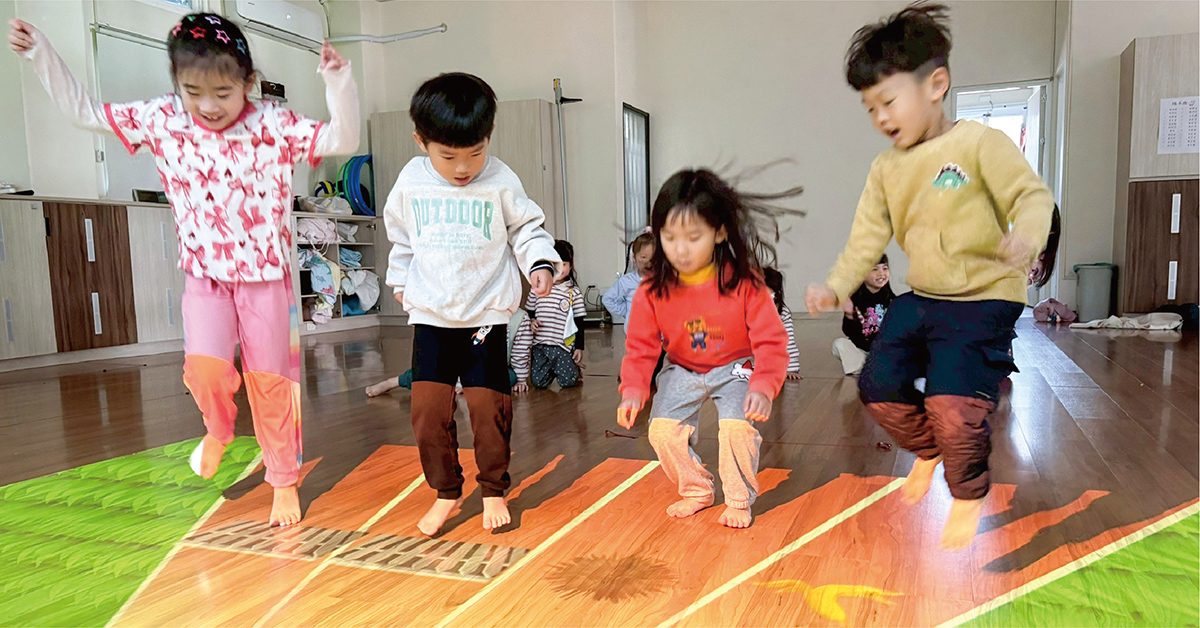
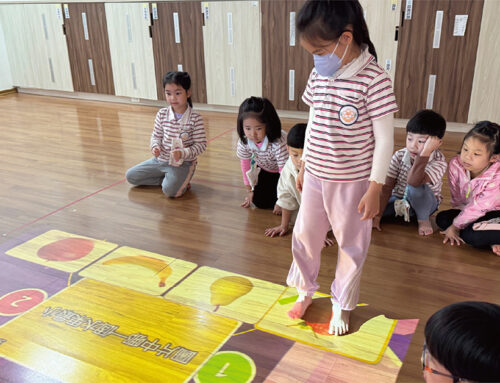
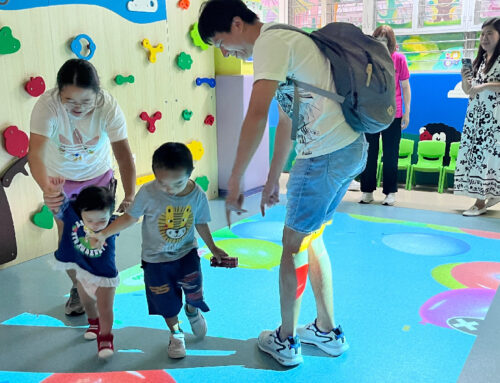
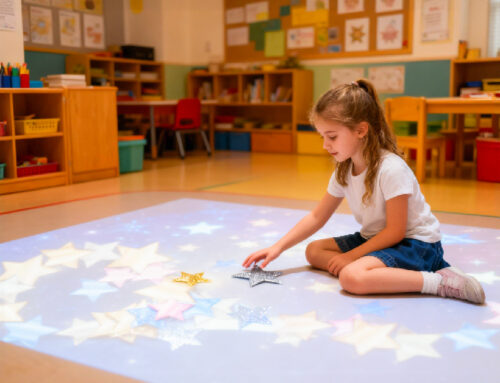
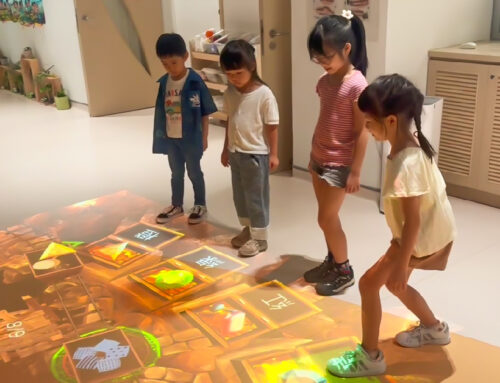
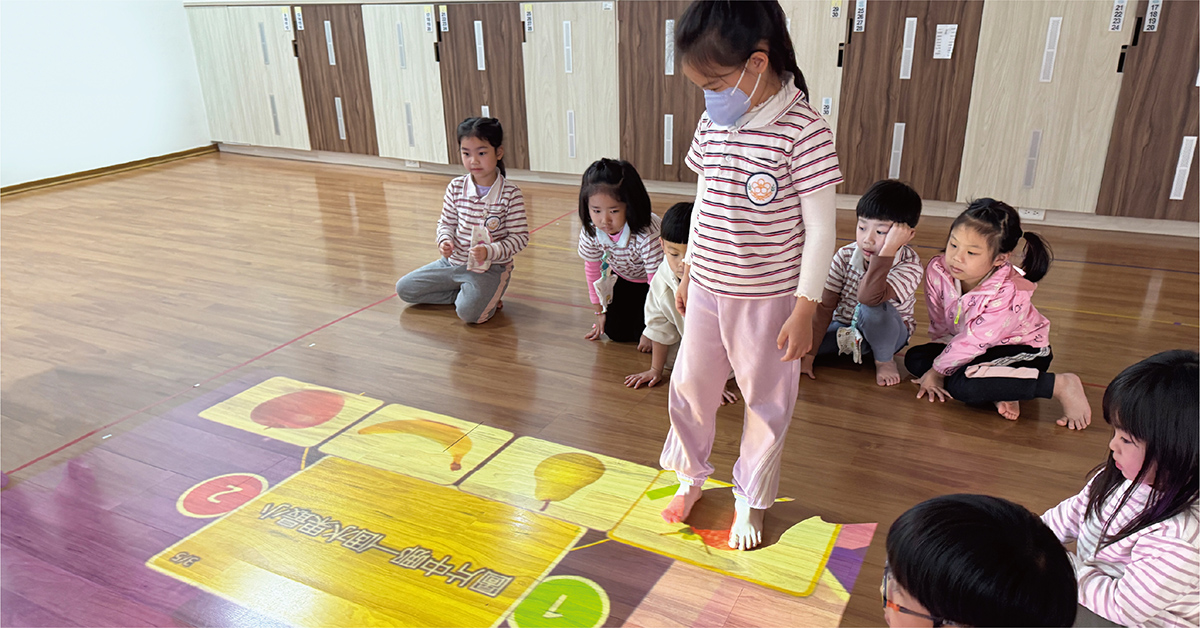
If an interactive floor is available, a teacher can prepare the same two-choice task with images or words. WizeFloor supports teacher-adapted activities for different subjects and abilities. A five-minute break does not need equipment, however. Begin with the question you want pupils to answer, then choose the simplest way to show it.
Try the routine at the same point in two or three lessons. Note whether pupils can rejoin the next task, and ask them which cue was easiest to follow. That is more useful than treating movement as a reward for sitting still.
For more on the rationale behind shared movement activities, read The Science behind WizeFloor. Schools considering a room-based activity can request a demonstration and bring an actual lesson question to test.
Frequently asked questions
Reference and further reading
Sources and links: EDB physical activity guidance; CDC classroom physical activity guidance. Internal: WizeFloor education, Academy, contact.