
Plug-and-Play Without the Promises: How WizeFloor Ultra Actually Delivers Simplicity
Plug-and-play is one of those phrases that gets applied to technology products optimistically. The reality is often a 45-minute setup process, a call to IT support, and a lesson that never quite happened the way you planned. Teachers learn quickly to be sceptical of that phrase, and understandably so.
WizeFloor Ultra uses the same language, but the design decisions behind it are specific enough to back it up. Here is what actually makes the setup simple, and why it matters for the teachers using it every day.
A Single Unit With No Assembly Required
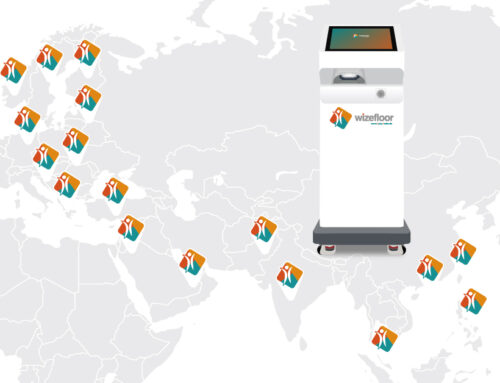
WizeFloor Ultra is a single portable unit that houses the projector and the LiDAR sensor in one enclosure. LiDAR, which stands for Light Detection and Ranging, is the technology that detects where students are and what they are doing on the projected floor surface. Because both the display and sensing components are integrated into the same unit, there is nothing to position separately, no sensor stand to calibrate, and no external PC to connect.
The unit comes with a stand that positions the projector at the correct angle and height for floor projection. A teacher carries it in, attaches it to the stand, powers it on, and selects an activity from the content menu. That is the setup process. For most teachers, familiarity with the system reduces this to under five minutes.
In practical terms, this means WizeFloor Ultra can travel between classrooms. A school does not need to dedicate a room to the system. It can be used in the Year 2 classroom in the morning, the SEN support room after lunch, and a therapy session in the afternoon, without dismantling or reconfiguring anything between uses.
Why Offline Capability Is Not an Afterthought
The decision to make WizeFloor Ultra fully offline-capable was a deliberate design choice shaped by the realities of schools across Asia. In the Philippines, Malaysia, and parts of Taiwan and Hong Kong, school internet access ranges from reliable to intermittent depending on the school's infrastructure and location. A technology product that requires a stable internet connection is one that will fail at unpredictable moments, often during a lesson.
WizeFloor Ultra does not rely on the internet once content is loaded onto its built-in storage. There are no streaming dependencies, no cloud-access requirements, and no login systems that break when the server is slow. The lesson works the same way in a metropolitan school in Singapore as it does in a rural primary school in the Philippines.
One practical note for schools planning around offline operation: WizeFloor content is organised across three curriculum modules, and the core interactive activities within each module run entirely from local storage. If a specific activity includes a supplementary YouTube link for video content, an internet connection is required to play that video element. Schools operating in consistently offline environments should preview and select activities accordingly, as all floor-based interactive content functions independently of connectivity.
Plug-and-play is ultimately about reliability, not just setup speed. How quickly a lesson begins matters far less than whether it runs without incident from start to finish.
The Teacher Training Layer
Simple hardware still benefits from structured onboarding. WizeFloor provides a three-tier teacher certification programme that equips educators with both technical familiarity and pedagogical confidence. Participants learn how to integrate floor activities into lesson planning, how to manage students on the floor, and how to connect those activities to curriculum outcomes.
Classroom technology that educators feel unsure about tends to stay in the storage cupboard. The investment in hardware only delivers value when the system is used regularly and with confidence, which is why the training layer is built into the programme rather than treated as optional.
The team delivers this training through a combination of online and offline workshops, monthly micro-training sessions, and a growing educator community across Asia. No one is left to figure things out alone after the unit arrives.
Practical Purchasing: Starting Small and Growing With Confidence
WizeFloor Ultra is available as a base system, with curriculum packs available as separate additions. Institutions can make an initial investment in the hardware and add content as their needs and budgets develop over time. For schools navigating government procurement timelines or working with limited annual EdTech budgets, this flexibility removes the pressure of a large single commitment upfront.
A school can begin with the core system, demonstrate its value across a few classes or year groups, and expand from there. Subscription upgrade options including two-year and three-year plans provide access to expanded content libraries and ongoing curriculum updates, ensuring the platform grows alongside the school's teaching programme rather than becoming static after purchase.