
Primary Humanities 2026/27: culture, history and community in action
Put two photographs of a familiar Hong Kong street side by side. Before anyone reads a caption, ask pupils what has changed and what they still need to find out. One image can start a surprisingly careful conversation.
Hong Kong's Primary Humanities curriculum is being introduced in stages. The Education Bureau says schools began with Primary 1 and Primary 4 in 2025/26, with all levels covered by 2027/28. The 2026/27 school year is therefore a useful time to refine activities that ask pupils to notice, compare and explain. The Bureau's Primary Humanities resources include local community, national history and Chinese culture materials, as well as game cards that teachers can adapt to a lesson goal.
Three questions that can carry a lesson
Choose one enquiry question before choosing a photograph, map or digital tool. Pupils should finish with something they can say, show or record.
| Theme | Pupil question | Activity and evidence of learning |
|---|---|---|
| Culture | What can this object tell us about a celebration or daily life? | Compare two approved images or objects. Pupils move towards one observation, then explain what the object shows and what it cannot tell them. Record one question for further research. |
| History | What changed at this place over time? | Put dated photographs of one local place in sequence. Pupils justify the order using visible clues and separate what they observe from what they infer. |
| Community | How does this place serve people nearby? | Trace a route from school to a library, market or other local facility on a simple map. Pupils identify who uses it, then add one question to test during a walk or interview. |
The table is a planning prompt, not a set of official curriculum activities. Check the topic and source materials against your school's scheme of work. The Education Bureau's Primary Humanities curriculum circular calls for suitable learning resources and varied assessment methods that let pupils show what they have learnt.
Make the answer visible
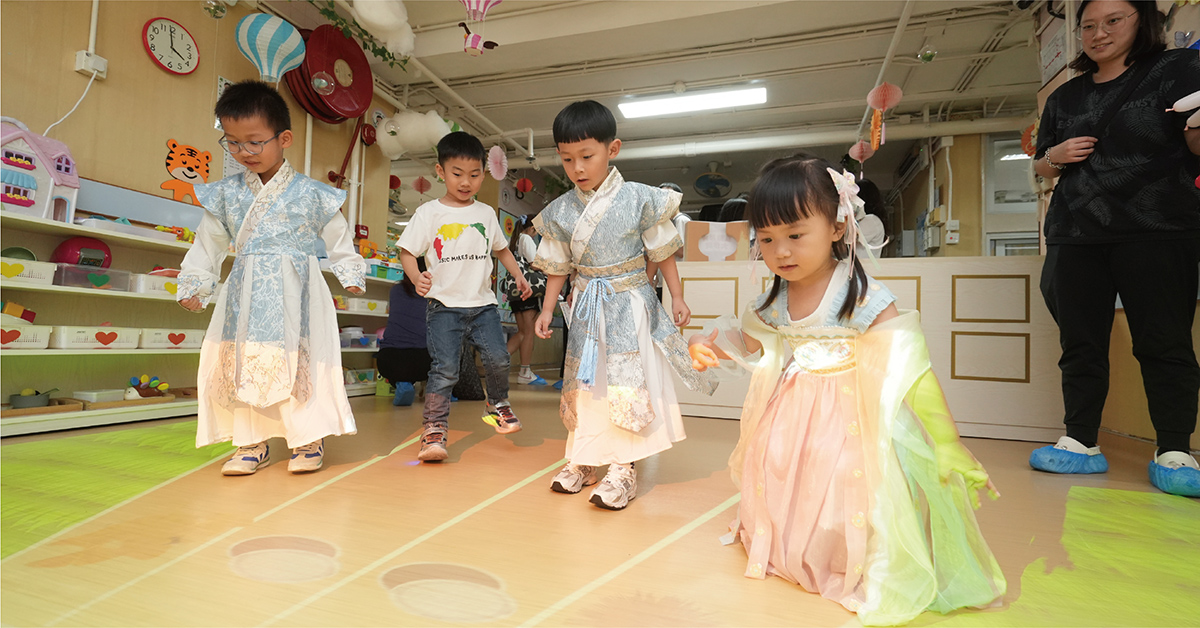
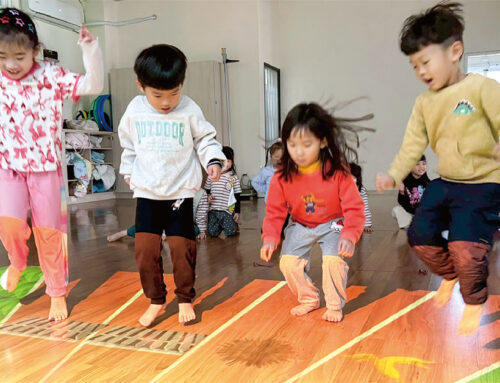
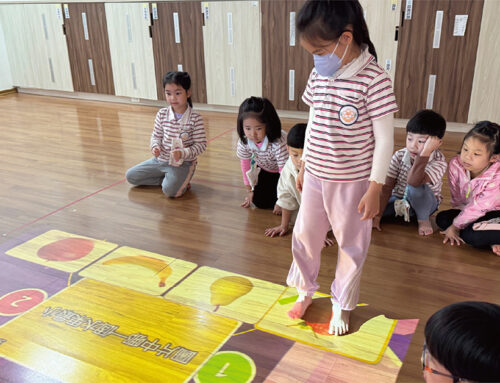
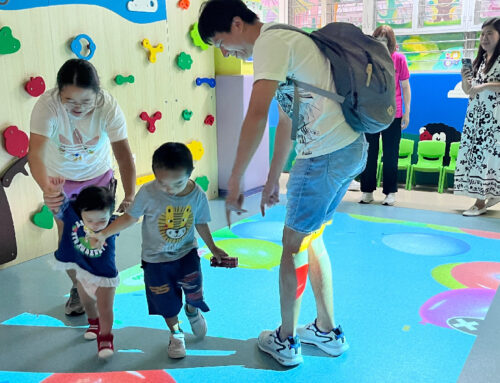
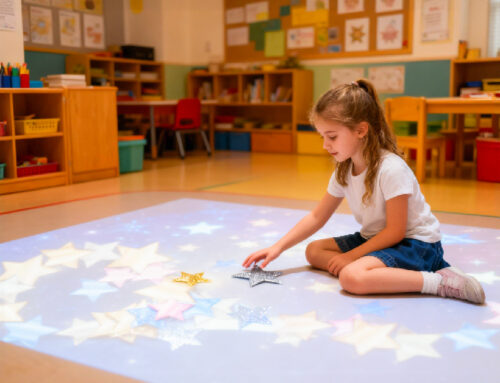
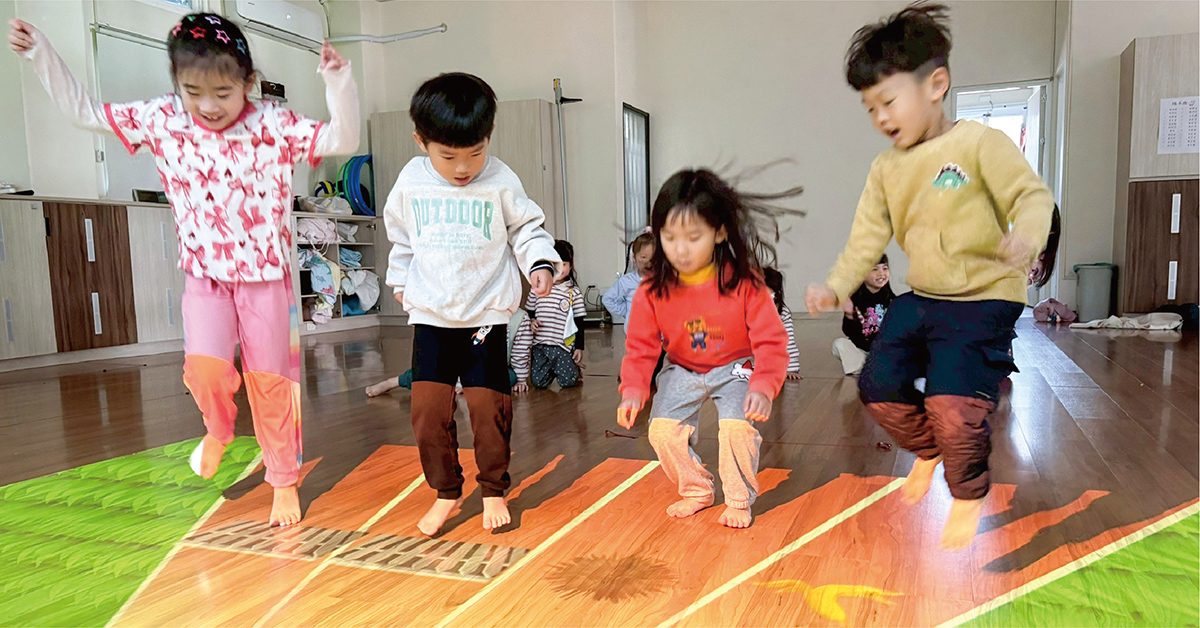
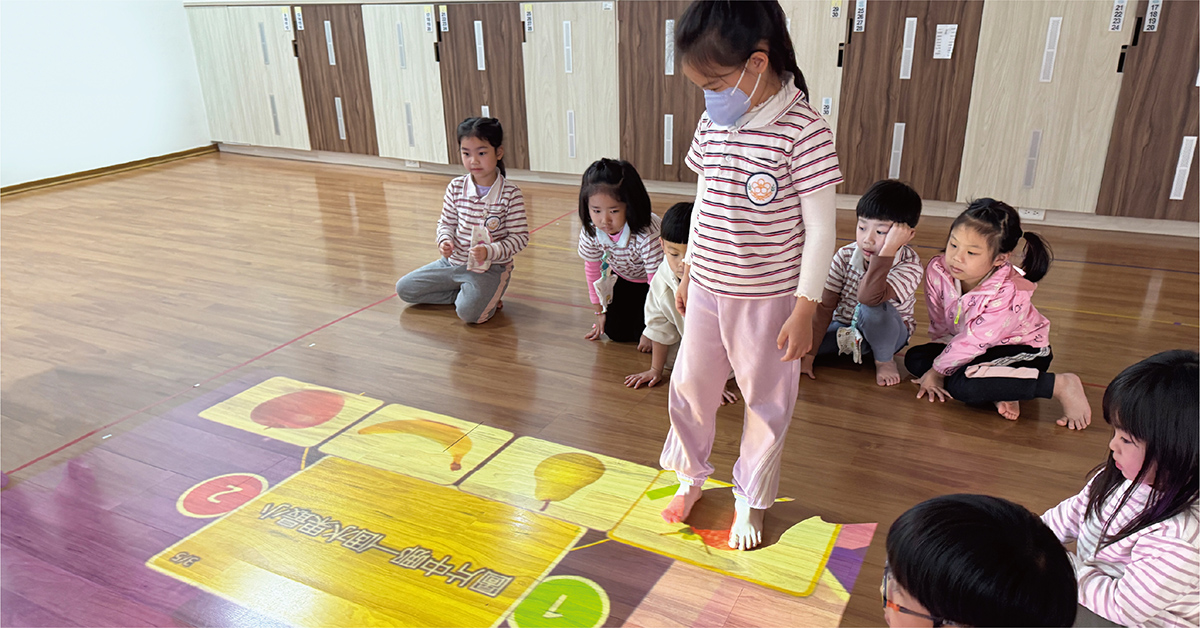
An interactive floor can make a choice public: pupils step towards an image, work out a sequence together or follow a map. That first step is only the beginning. Ask one child why the group chose that answer and invite another to point to evidence. A two-minute spoken explanation or annotated photograph gives the teacher something to assess.
Teachers can prepare their own images and questions in WizeFloor activities, then return to a paper map or short written reflection. The same lesson can run with printed cards. Keep the source question, discussion and evidence of learning intact whichever format you use.
For a fuller example of planning with an interactive floor, see WizeFloor Academy's STEAM classroom starter guide. If your school would like to test a Primary Humanities question in a demonstration, contact the WizeFloor Asia team.
Frequently asked questions
Reference and further reading
Sources and links: EDB subject rollout; EDB Primary Humanities curriculum circular; EDB Primary Humanities resources. Internal: WizeFloor education, STEAM starter guide, contact.