
The Value of Cultural Heritage in a Changing Society
Culture is not only a record of history but also a cornerstone for shaping identity and belonging. For students, understanding and inheriting culture is not merely about memorizing traditions or festivals, but about finding the answers to "Who am I?" and "Where do I belong?" In today's rapidly globalizing world, the influx of external information and values can easily marginalize local culture if education does not play a supportive role.
Therefore, the responsibility of education is not just to preserve culture, but to inspire students to actively explore and inherit it. When culture is transformed into personal experience and recognition, it becomes the firmest support for facing future challenges.
From Passive Reception to Active Learning
In the past, cultural education often involved teachers speaking while students listened, which was limited in effectiveness. Students frequently felt disconnected from real life and lacked engagement. To truly bring culture into the hearts of the younger generation, they need to inherit and promote it with an active learning mindset.
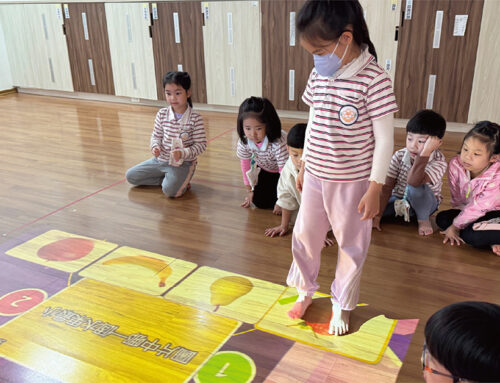
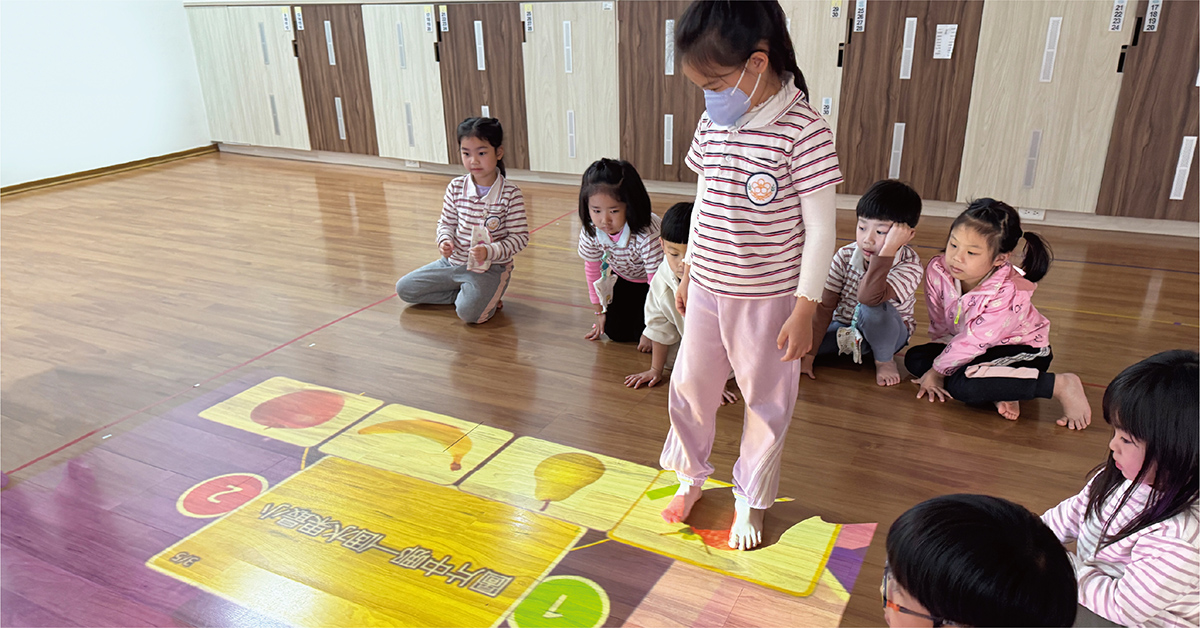
Here, interactive learning becomes the key. When culture is reintroduced through activities and challenges, students build authentic connections through participation. For example, by using interactive projection games to adapt traditional stories into challenges, students are no longer passive listeners but must think, judge, and cooperate. This approach not only improves focus but also makes culture the foundation for shared tasks.
This is precisely the advantage of interactive systems like WizeFloor: they allow students to naturally engage actively in activities, internalizing culture as personal experience rather than external obligation.
Interaction and Activities Strengthen Belonging in Cultural Education
Culture only connects to a sense of belonging when it is "experienced." Written knowledge alone is unlikely to evoke emotion, but when students are physically and emotionally engaged in activity-based and gamified learning settings, they naturally feel the power of culture.
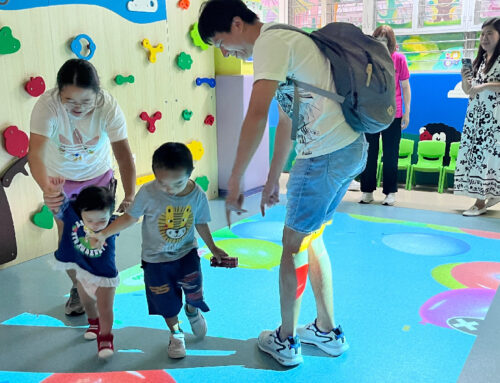
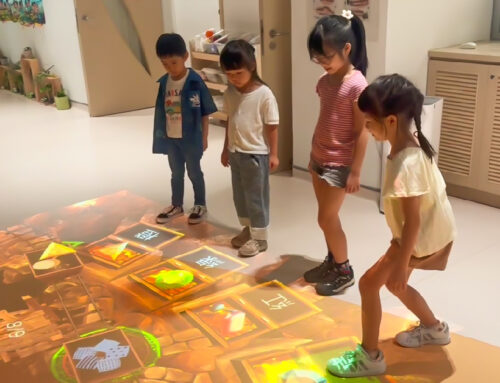
For example, by using kinesthetic learning to understand traditional festival items, or through interactive projections that recreate historical scenes, students experience the pride and connection culture brings in the process of movement and cooperation. When culture becomes part of team challenges, it shifts from "external knowledge" to "internal identity."
In this regard, WizeFloor's interactive projection floor plays an important role. It transforms cultural learning into immersive challenges, where students not only practice focus and collaboration but also build a sense of cultural belonging through interaction.
Practicing Cultural Education with Innovative Tools
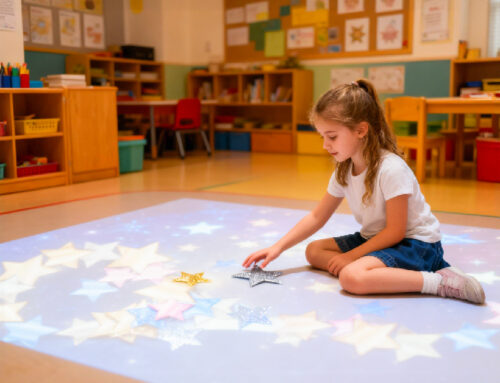
For cultural heritage to truly take root, it must be supported by innovative tools. Many interactive learning systems already offer gamified challenges, but going further means giving students the chance to design content themselves. When students can create cultural questions, add visuals or sounds, they are not only learning culture but also "creating culture."
This bottom-up participation significantly boosts students' initiative. Culture is no longer abstract knowledge but is given new life through creativity, interaction, and activity. WizeFloor is a prime example of this practice, turning cultural education into a dynamic, interactive, and creative process. For students, culture is no longer distant or dull, but a shared experience with peers.
Towards Student-Centered Cultural Education
Cultural heritage is not simply about preservation, but an essential mission of education. When students take an active learning approach to inherit culture and feel belonging through interaction and activities, they are more willing to continue traditions. WizeFloor is a practitioner of this direction, making cultural education not just classroom knowledge but part of students' everyday lives.
FAQs
Want to learn more about how board and interactive games combine with education?
Explore our other articles to see how WizeFloor and gamified learning bring new insights and strengths to future classrooms.