
When technology meets daily life: opening a new chapter for seniors
With active aging technology, interactive floors, interactive projection floors, and gamification in education bring sensory integration, attention training, cognitive training, and physical therapy into everyday senior life.
Senior living has always had its own rhythm: some enjoy chatting on benches, others relax in front of the TV, and many stroll slowly through their communities. These routines are peaceful and meaningful. With the rise of active aging technology, new possibilities have opened—interactive floors, interactive projection floors, and gamification in education now invite seniors to move, connect, and engage in fresh ways.
Connecting body and cognition
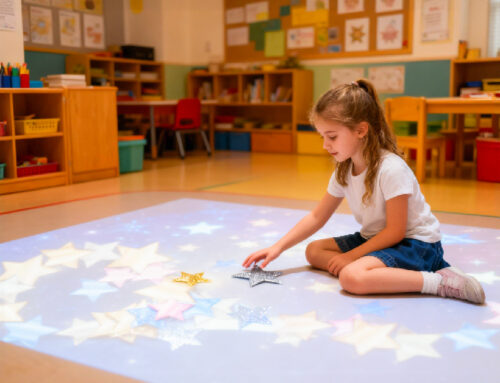
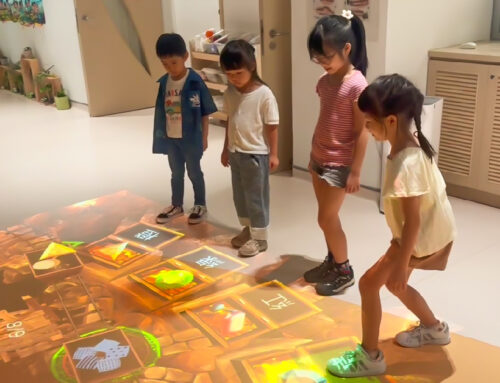
When an interactive projection floor lights up with a path, seniors follow step by step on the interactive floor, aligning vision, hearing, and movement in one rhythm. This coherence creates safety and control. Pauses reset attention, while light cues remind them of cognitive training. As sensory integration meets motion, the boundary between physical therapy and daily learning fades, making life and learning one.
A simple yet moving scene
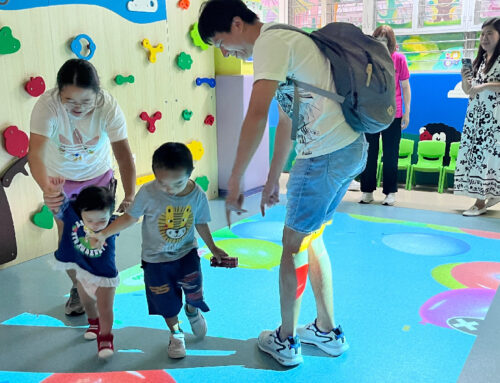
In a community center, music rises with an interactive projection game while clear step points appear on the floor. Seniors remind each other, "Step left next!" Laughter follows a successful match, and encouragement flows naturally. No one is left out; everyone finds a role in the shared tempo.
Teachers or therapists don't need to give constant instructions—the interactive projection floor has become the most intuitive language. Learning no longer feels like a burden but like something that can be achieved together with warmth and connection.
Clearing misconceptions
Many assume gamification in education is only for children. In fact, it is a learning structure across ages. For seniors, it replaces anxiety with confidence, turning "I can't" into "I can try again."
Another misconception is that technology replaces humans. In reality, active aging technology reduces friction, making interactive floors and interactive projection floors stable environments. This frees teachers, therapists, and caregivers to focus more on guidance and companionship.
When ideas meet tools
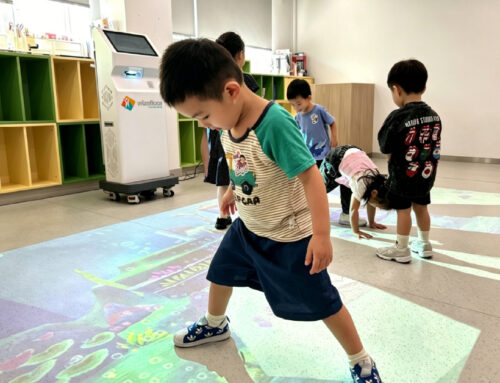
Without a space, ideas remain theory. This is where WizeFloor stands out. It integrates the interactive floor, the interactive projection floor, and gamification in education into one low-friction system. Game duration, sound design, and challenge levels can all be adjusted to match seniors' needs, ensuring comfort with the right degree of challenge. For attention training, cognitive training, and even physical therapy support, these are not just extra features but guarantees of ongoing participation.
When a group shares the same floor and waits for the same light cue, the rhythm becomes a collective experience. This shared tempo is exactly what makes senior learning environments rich and meaningful.
When ideas and tools combine, learning rhythms naturally appear
The vibrancy of senior life isn't defined by the number of activities but by whether each person finds a rhythm that feels safe and rewarding. Sensory integration and gamification in education align body, attention, and thought; WizeFloor, as active aging technology, makes this rhythm visible every day.
FAQs
Prepare for the Future of Active Aging
Want to explore more about care innovation and interactive therapy tips? Read our other articles to see how interactive technologies and immersive experiences open new possibilities for senior communities.