
What Are Core Competencies? From Knowledge to Ability
Core competencies go beyond knowledge acquisition to emphasize whether students can transform learning into problem-solving, communication, collaboration, and creativity. This shift from knowledge-based to competency-based education has become a defining trend in global reform.
Core Competencies Driving Global Education Trends
Across the world, many regions have reoriented their curricula around core competencies. Finland introduced phenomenon-based learning to integrate knowledge across subjects; Singapore developed its 21st Century Competencies Framework, focusing on critical thinking, global awareness, and socio-emotional skills; Japan's new Course of Study promotes active learning, emphasizing thinking and expressive abilities; and Hong Kong's "Learning to Learn 2.0" framework prioritizes generic skills and values education. Taiwan's **108 Curriculum Guidelines** further highlight this movement, placing competencies at the center of learning and stressing cross-disciplinary skills and self-directed learning. Together, these examples reflect a shared international commitment to preparing students for future challenges through competency-driven education.
Student Participation and Creativity in Competency Development
Competency development is not achieved by one-way instruction alone but requires students' active participation. When learners contribute ideas, engage in discussions, and co-design tasks, they truly embody the spirit of "learning to learn." Creativity is central to this process, not only as an artistic trait but as the foundation for generating diverse solutions to problems. From group projects to cross-disciplinary research, and even game-based learning, participation and creativity play indispensable roles in developing core competencies.
How Innovative Tools Support Competency Practice
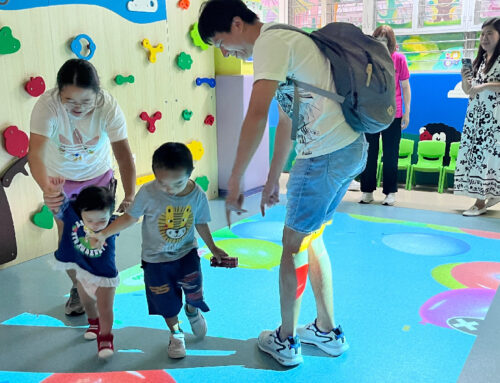
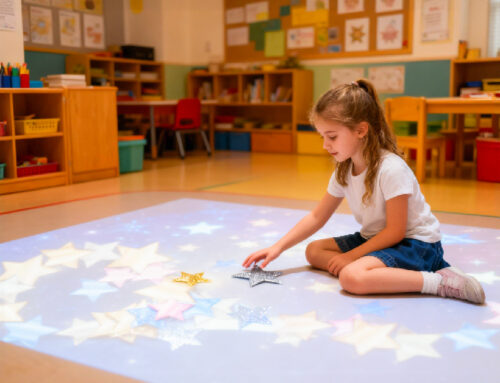
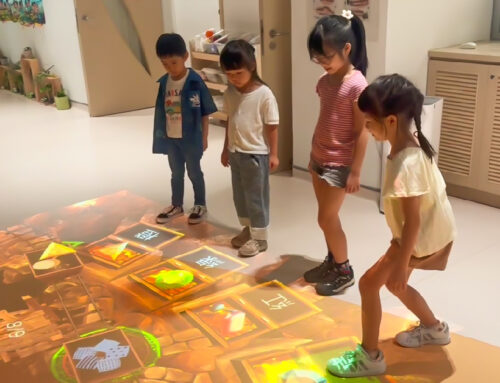
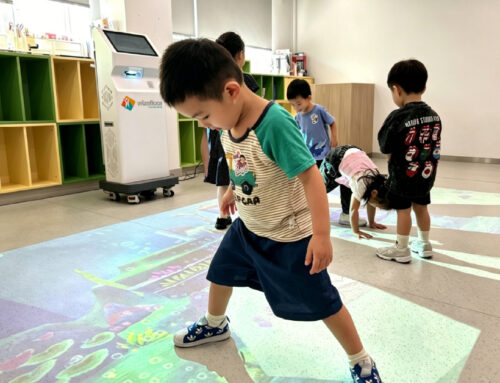
Traditional classrooms often struggle to engage students fully, but innovative tools can make learning more dynamic and authentic. Interactive projection games, for example, require immediate communication, collaboration, and problem-solving under time constraints—perfect for cultivating competencies such as teamwork and focus. Beyond participation, these tools empower teachers to adapt activities and allow students to design their own content. This bottom-up approach transforms learners into co-creators of the classroom, turning competency-based education into lived practice.
WizeFloor's Inspiration and Impact on Classrooms
The WizeFloor interactive floor system enables students to learn through play—whether vocabulary exercises, math challenges, or cross-disciplinary projects. Its customizable features let students create their own questions, adjust difficulty levels, and modify sound and visuals, transforming learning into a creative process. This approach not only aligns with Taiwan's 108 Curriculum Guidelines but also resonates with the broader global push toward competency-based education.
Core Competencies Shaping a New Generation of Learners
As competencies become central to education, learners are growing into problem-solvers, collaborators, and creative thinkers. They are not just adapting to change but developing the skills to shape the future themselves.
FAQs
Prepare Your Students for the Future
Want to explore more about the academic exchange and interactive learning tips? Read our other articles to see how interactive technologies and immersive learning open new possibilities for schools.