
From idea to classroom: bringing the body back to the center
This editorial explains why gamification creates the right conditions for sensory integration, and how interactive floors and interactive projection floors make attention training and cognitive training part of everyday learning.
When we talk about sensory integration, we often end up with checklists. What truly matters is the structure. Learning doesn't happen only in the mind; posture, rhythm, and feedback decide whether attention stabilizes and concepts land. Gamification is often misunderstood because people see points and levels but overlook the shared tempo that invites participation.
Connecting body and cognition
When visual, auditory, and tactile signals align in one rhythm, the world feels coherent rather than fragmented. Steps and pauses create boundaries that help the brain segment abstractions. Short, clear rounds, like breathing in and out, let attention training flow naturally. With immediate and gentle feedback, mistakes lose their threat and become safe retries. These simple conditions form the basis of sensory integration.
A classroom scene: noticing change
In one school, a child who couldn't sit still during worksheets followed a visible light path on the floor—step, pause, look. Two weeks later, the same rhythm appeared at his desk: scan first, act next, check last. The change did not come from more instructions but from a predictable tempo.
Clearing misconceptions
Gamified learning is not just about adding fun. Its strength lies in simplifying signals so children know when to act and when to stop. Sensory integration is not about 'more stimuli' but about consistency and clarity. When rules are clear and rhythm is steady, students can finally focus on understanding and feeling.
Making ideas tangible: why interactive floors
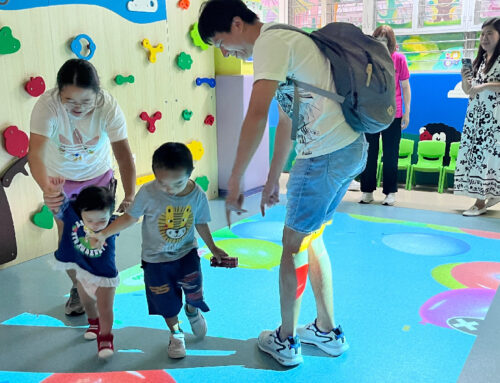
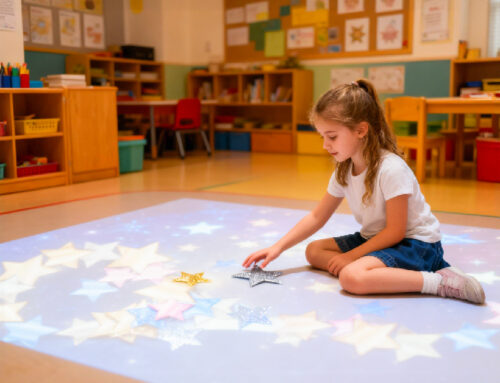
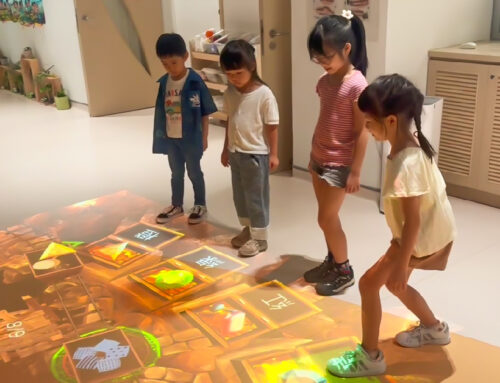
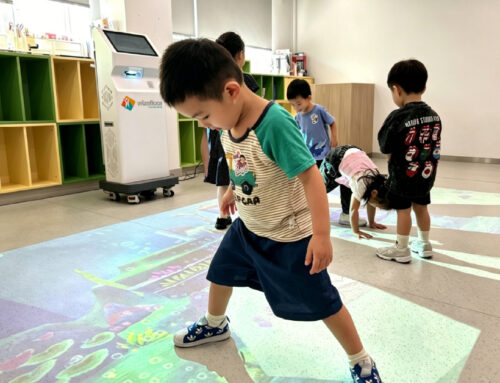
Ideas need reliable carriers. An interactive floor and an interactive projection floor provide such a shared rhythm. Without complicated setup, they adjust brightness, sound, and step distance to fit learners' needs. Interactive projection games and educational floor games turn abstract tasks into visible, walkable routes, allowing attention training and cognitive training to be embedded in daily routines.
Danish-born WizeFloor is known for its simple operation and flexible design. By unifying the language of interactive floors, interactive projection floors, and interactive projection games, it allows teachers to focus on observing and guiding. For inclusive education, SEN technology, and innovative classrooms, this low-friction consistency is essential.
When ideas meet tools, learning rhythms take shape
Sensory integration is not a checklist of activities but a structure that aligns body, attention, and concept. With a consistent, visible, adjustable rhythm, gamified learning becomes a dependable part of daily life. Platforms like WizeFloor make this structure tangible with minimal friction.
FAQs
Prepare Your Students for the Future
Want to explore more about the academic exchange and interactive learning tips? Read our other articles to see how interactive technologies and immersive learning open new possibilities for schools.