
Tradition Meets Innovation, Making Learning Deeper
Traditional board games and innovative interactive games are not opposites but complementary partners in education. By combining strategy, collaboration, and technological interactivity, students enhance focus, creativity, and social skills. This combined power brings more possibilities for future education, making learning more inspiring and impactful.
The Timeless Role of Games in Education
Strategy and Cooperation in Traditional Board Games
Board games have long held educational value. Through boards, cards, and rules, students learn to plan strategies, analyze situations, and build patience while balancing competition and cooperation. These experiences develop not only intellect but also respect, communication, and social connection.
Technology and Immersion in Interactive Games
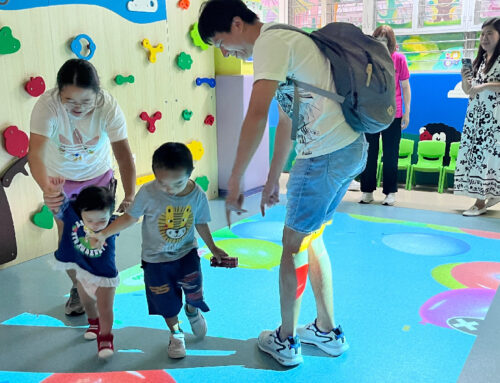
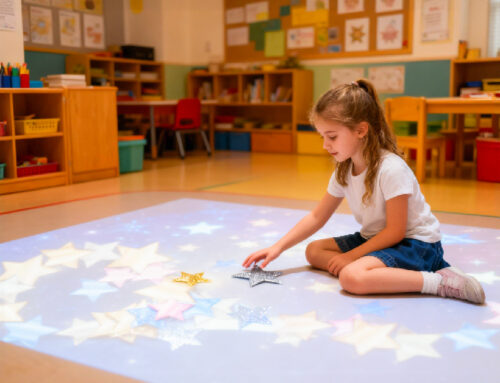
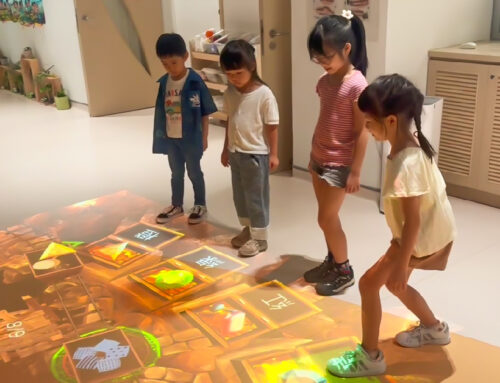
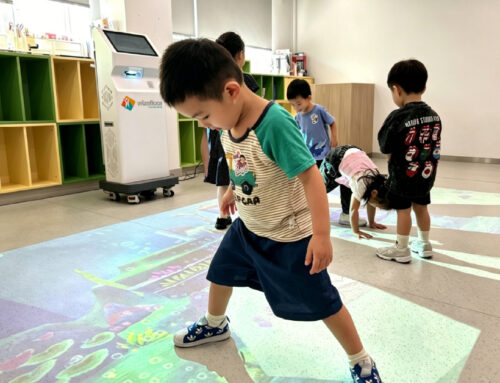
At the same time, interactive games integrate technology into learning. Interactive floors, digital projections, and immersive experiences create dynamic environments. With instant feedback and multi-sensory stimulation, students quickly engage, boosting focus and creativity. Platforms like WizeFloor allow learners to merge light, movement, and exploration, turning abstract learning into tangible experiences and making the educational value of interactive games more concrete.
The Complementary Power of Board and Interactive Games
Dual Development of Focus and Critical Thinking
Board games and interactive games each train different dimensions of focus. The former encourages long-term concentration and reasoning, while the latter builds quick responses in dynamic settings. Together, they nurture both deep thinking and adaptability, strengthening critical thinking skills.
Extended Growth in Cooperation and Social Skills
Traditional board games emphasize face-to-face cooperation and communication, while interactive games extend collaboration into digital and immersive settings. Students learn to adjust roles, distribute tasks, and cooperate across environments. This broadens and deepens their social skills and teamwork abilities.
How the Combined Power Shapes Future Education
From Passive Learning to Active Participation
Both board and interactive games emphasize participation, moving students beyond passive knowledge reception toward active involvement. Through manipulation, exploration, and experimentation, learning becomes a lived experience, increasing motivation and engagement.
Cross-Disciplinary and Cross-Generational Connections
The combination also breaks boundaries of subject and age. Board games adapt across disciplines like math, language, and history, while interactive games integrate technology, arts, and experiential learning. Together, they create inclusive spaces where learners of all ages benefit. Technologies like WizeFloor support these interdisciplinary and intergenerational connections, offering students shared environments for broader learning links.
Educational Implications and Practice
Integrating Gamification Into Lesson Design
Future education should actively integrate gamification. By combining board and interactive games, teachers design more flexible courses that go beyond textbooks, becoming explorations and challenges. Here, tools like WizeFloor play a vital role, providing adaptable applications across subjects and ages, fostering focus, teamwork, and responsibility.
Creating Inclusive and Diverse Learning Environments
The beauty of games lies in their inclusivity. Board games bring structure, while interactive games bring openness and creativity. Their integration builds diverse, inclusive, and dynamic classrooms where every learner finds a suitable pathway.
Future Insights of a Positive Force
The combination of board and interactive games embodies the shared power of tradition and innovation in education. They not only inspire learning but also expand the possibilities for future classrooms. When games become part of education, learning transforms into journeys of creation, collaboration, and exploration.
FAQs
Want to learn more about how board and interactive games combine with education?
Explore our other articles to see how WizeFloor and gamified learning bring new insights and strengths to future classrooms.