
From Social Challenges to Learning Innovation: Lessons from Movement
Physical training is becoming a new focus in education. By combining movement with classroom participation, students gain motivation and collaboration skills. At the same time, social phenomena such as low learning motivation and prolonged static learning highlight the necessity of physical training in classrooms, making learning more holistic and effective.
The New Value of Physical Training
In today's digital age, students are increasingly dependent on screens and static activities. The lack of movement leaves many children tired, disengaged, and even disinterested in learning. Educators are realizing that traditional static learning is no longer sufficient. This is why "active learning" and "kinesthetic learning" are gaining attention, as they allow students to regain energy through movement.
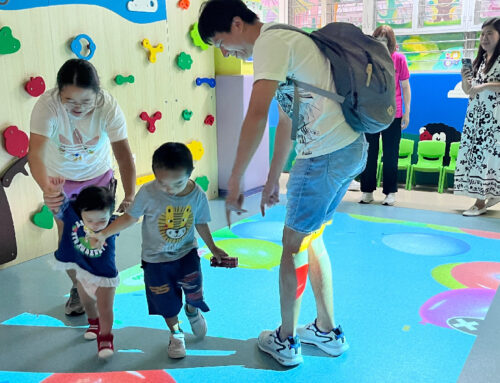
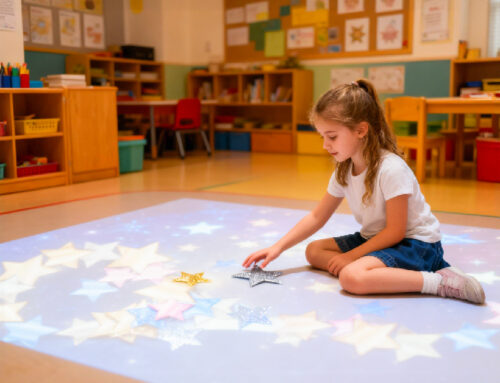
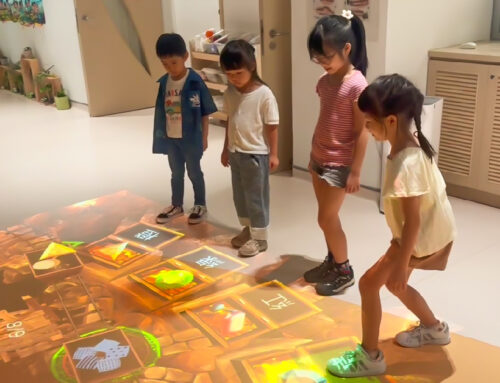
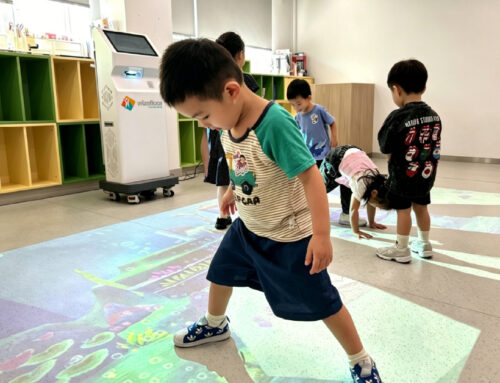
Children now spend much of their time seated at desks or immersed in devices, with limited physical activity. This overly static lifestyle not only affects health but also causes poor posture, reduced fitness, and emotional challenges. Physical training is therefore not just an add-on to physical education but an essential part of modern schooling. Tools like WizeFloor integrate sensory play and interactive learning, helping students move while learning, balancing health with engagement.
The Practical Benefits of Physical Training
When learning is accompanied by movement, the brain becomes more active, making information absorption and retention more effective. Simple activities can keep students energized and reduce fatigue from long periods of sitting. With game-based elements, learning motivation naturally increases, and memory is strengthened.
Physical training often takes place in groups, where students must coordinate and collaborate to complete tasks. This not only improves communication but also builds trust and cooperation. When activities incorporate sensory integration, children develop more rounded social and teamwork skills.
Physical Training and Holistic Development
Education is not only about knowledge accumulation but also about holistic growth. Physical training bridges body activity and mental development. Students experience self-control and self-expression through movement, a process of mind-body connection that reinforces confidence and makes learning more human-centered.
The combination of motion and thought sparks creativity. When faced with challenges, students explore different solutions instead of relying solely on textbook answers. This fosters flexible, multi-angle thinking, enhancing resilience and problem-solving. Such abilities are precisely the qualities future societies demand.
A New Focus in Educational Development
Physical training should not be confined to physical education classes; it can cross into language, math, and science. Using movement to reinforce vocabulary or to illustrate abstract concepts helps make lessons more experiential. Such cross-disciplinary applications turn learning into part of daily life.
With educational technology advancing, the integration of physical training and interactive learning is becoming a trend. Interactive floors like WizeFloor convert student movements into real-time feedback, making classrooms more immersive and enjoyable. This approach also embodies kinesthetic learning, enabling students to absorb knowledge naturally through play and exploration.
A New Core Force in Education
Physical training is not a brand-new element of education; it has always been present but often overlooked. As challenges increase, its importance is now magnified. Through physical activity, students gain health, energy, and confidence while also developing collaboration and creativity. When education embraces active learning and interactive learning, supported by innovations in educational technology, schools can nurture capable learners and future-ready individuals. Physical training has become a new core force, directly responding to the need for holistic development and laying a solid foundation for the future of education.
FAQs
Want to learn more about how physical training is transforming education?
Explore our other articles to discover how WizeFloor and gamified learning are helping students achieve more balanced and future-ready growth.