
How an interactive learning floor turn educational floor games into whole-class momentum
The first snow had not yet settled on the Nordic town, but the classroom already felt like winter light: calm, clear, and inviting. There were no raised voices, no frantic drills. A teacher set out a set of cards, and the floor lit up. The lesson began with movement. In this room, interactive learning was not a gadget—it was the rhythm of the day.
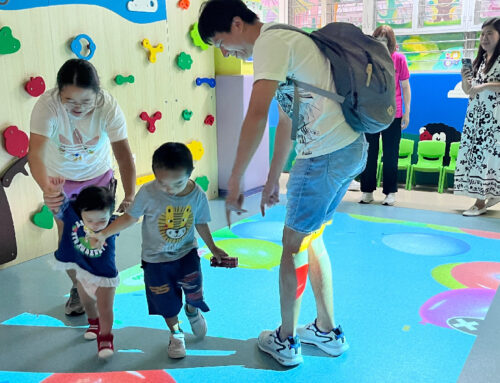
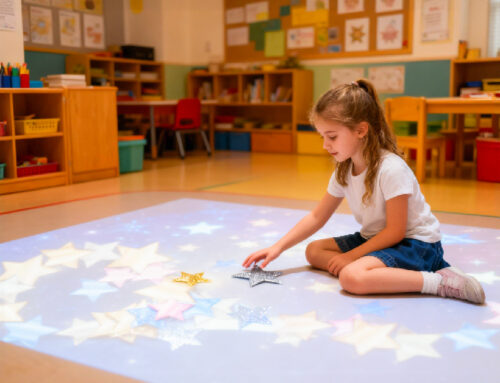
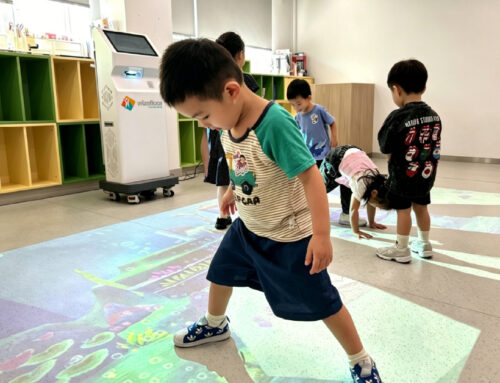
At the heart of this approach sat an interactive floor. It looked like any other surface, until children stepped onto it and the room responded—colors shifting, shapes swirling, prompts appearing beneath their feet. The space functioned as an interactive learning floor where ideas and bodies met. The teacher guided; the students moved; and in a matter of minutes, the class was fully engaged.
This is the design logic of play-based learning in a modern context. It respects the child's need to move, touch, and collaborate. It recognizes that interactive floor game mechanics—progression, feedback, cooperation—can motivate without turning class into a distraction. Used thoughtfully, gamification in education changes the atmosphere from "complete the task" to "join the journey," improving persistence and deepening understanding.
A day in motion
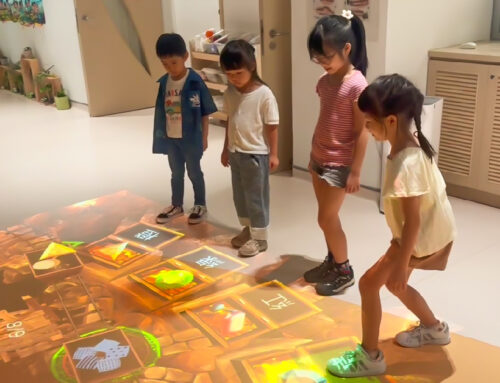
Morning warm-ups resembled a quiet dance. Vocabulary prompts rippled across the interactive learning floor. Two students hopped to verbs; three more slid toward nouns; a cluster teamed up to build a sentence. The teacher barely needed to call out. The interactive floor did the calling: soft sound cues, steady visual scaffolds, and cooperative goals kept the group aligned.
In math, educational floor games turned number lines into pathways. Partners moved in pairs to solve equations step by step. The interactive floor game mode asked them to decide together; the right choice triggered a satisfying glow, yet the focus stayed on thinking, not winning. By connecting action to concept, interactive learning turned abstract rules into embodied memory.
Why this works
Nordic schools have long treated play-based learning as serious pedagogy. Movement, tactile experience, and collaboration sit alongside reading and writing. An interactive learning floor fits this culture naturally:
• Embodied cognition: Physical action anchors memory. When children move with purpose, interactive learning sticks.
• Immediate feedback: The interactive floor responds in milliseconds; students adjust without waiting for red pens.
• Social learning: Many educational floor games require joint decisions, strengthening communication and empathy.
• Teacher flow: A Smart Floor setup reduces transitions; stations become scenes in one connected lesson.
Case vignette: language, science, and the quiet child
One child in this class rarely spoke up. During read-aloud, she listened, but rarely volunteered. On the interactive floor, she found another way in. When the group played an interactive floor game that matched synonyms through movement, she led her team by pointing, stepping, and nudging peers toward the right cluster. Her teacher later noticed she volunteered more in seated discussion. In this micro-story, interactive learning acted as a bridge. It honored a quieter temperament while giving her social traction.
Science lessons extended this pattern. The interactive learning floor hosted life-cycle sequences and habitat maps. Students moved in small squads, testing cause and effect. Their laughter wasn't noise; it was data. It meant cognitive energy was present. Across the term, the class not only remembered content more readily; they also collaborated more fluidly. Underneath the joy was discipline.
Key notes (for planning and practice)
• Scaffold the arc: Introduce play-based learning elements early, build complexity later.
• Co-design norms: Let students help define cooperation rules inside educational floor games.
• Stay conceptual: Tie every interactive floor game to a clear objective.
• Rotate roles: Ensure all students lead, follow, and reflect during interactive learning cycles.
• Assess quietly: Use exit slips or quick reflections after the interactive learning floor session.
From novelty to culture
A tool becomes culture when it aligns with values. In this school, the interactive floor supported respect, inclusion, and curiosity. The same template works elsewhere: start small, keep the bar for clarity high, and let gamification in education serve pedagogy rather than dominate it. As the model matures, the Smart Floor fades into the background and the class takes center stage.
Interactive learning to play-based learning: a Smart Floor path forward
Across many campuses, Nordic-inspired practice is turning motion into understanding. In that ecosystem, adaptable interactive learning tools—floors, content libraries, and simple authoring—make implementation practical. Some solutions, like WizeFloor from Denmark, reflect this philosophy in how they pair movement with meaning. When schools seek quiet strength rather than loud novelty, platforms of this kind often fit naturally into the flow of teaching and learning.
FAQs
Prepare Your Students for the Future
If this Nordic path to movement and meaning resonates, explore our other articles on interactive pedagogy and classroom design. Subscribe to stay updated on practical guides and case stories.