
Why Future Classrooms Should Be Built on Play-Based Learning and Interactive Technology
In a quiet corner of northern Europe, a small country has long puzzled the world with one of the most consistent findings in international education: Danish children are among the happiest students on Earth.
This isn't due to shorter school days or fewer subjects. Instead, it's about mindset. Denmark's education culture does not glorify stress, competition, or perfection. Instead, it prioritizes wellbeing, emotional intelligence, and personal development — a philosophy that may hold the key to designing the future classroom.
Today, educators globally are rethinking the role of interactive learning, technology, and environment in cultivating joy in learning. What if happiness isn't the result of academic success, but a prerequisite for it?
The Classroom Floor as a Canvas for Innovation
One of the most underrated surfaces in any classroom is the floor. For decades, it's been overlooked — an empty zone or a place to line up chairs.
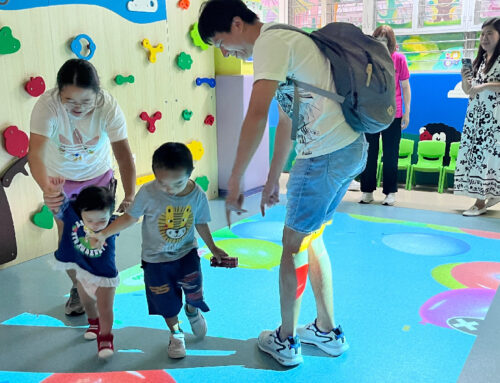
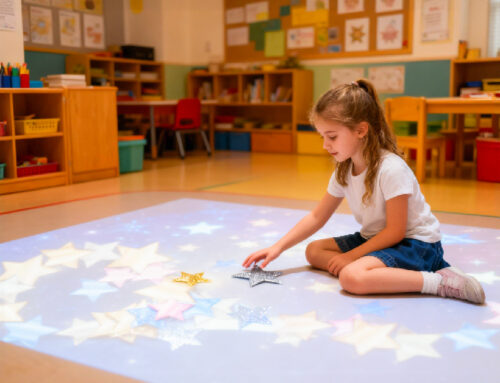
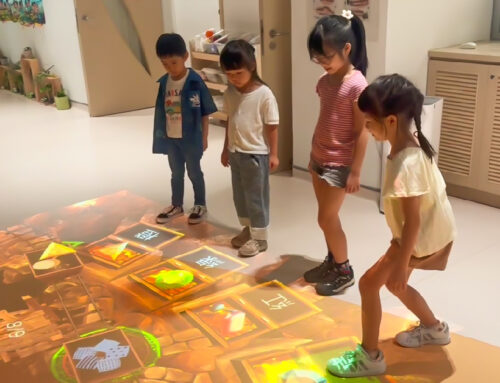
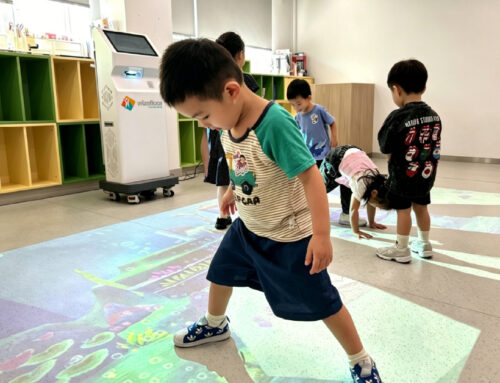
But in newer learning spaces inspired by the Danish model, the floor is being reclaimed. With the help of solutions like [WizeFloor], the space beneath students' feet becomes a canvas for exploration.
An interactive floor can respond to motion, footsteps, or collaborative gestures. It can transform spelling drills into movement games, and sorting tasks into group strategy exercises. This introduces gamification in education — not to turn school into a game, but to leverage the motivational structures that games use so well: progression, challenge, feedback, cooperation.
When used thoughtfully, this kind of learning technology becomes invisible. It supports the goal of learning while preserving the freedom and spontaneity that children need to thrive.
Rethinking Achievement: Beyond the Test Score
Danish education emphasizes process over performance. What matters is not how fast you finish or how high you score, but how deeply you understand, and how willingly you engage.
This mindset is finding echoes in more and more international classrooms, especially those that support diverse learning needs or students with different cognitive profiles.
By incorporating interactive learning experiences that blend physical movement, sound, and image, schools can better accommodate those who struggle with traditional pen-and-paper methods. In this way, interactive tools create pathways for expression, not just assessment.
And for all learners — not just those with challenges — these approaches build confidence. There's no single "right answer" pathway; instead, students are rewarded for persistence, strategy, and collaboration.
Play-Based Learning Is Not Just for Preschool
A common misconception is that play-based learning ends with kindergarten. But the benefits of guided play — curiosity, experimentation, resilience — don't disappear at age six.
Smart educators know this. And so, across progressive schools worldwide, you'll find older students engaged in activity-based language games, logic circuits that light up when solved correctly, or history timelines that require students to physically navigate through centuries.
In such classrooms, gamification in education becomes a framework, not a gimmick. Teachers set the learning goal, the system creates the structure, and students bring the energy.
Designing the Future Classroom with Joy in Mind
What does all this mean for the future classroom?
It means we must stop designing for silence and stillness, and begin designing for motion, collaboration, and joy.
Key principles include:
• Flexibility: Furniture and tech that adapt to group work, solo work, and movement
• Inclusivity: Tools that support multiple learning styles and sensory needs
• Interactivity: Spaces that respond to children's actions, not just their voices
• Simplicity: Technology that enhances learning without increasing complexity for teachers
• Wellbeing: Environments that reduce anxiety and foster a sense of safety and freedom
The goal is not to turn every class into a playground, but to recognize that joy is not the enemy of rigor — it is its foundation.
A Subtle Shift That Matters
There's no single solution to educational challenges. But if there's one lesson from Danish schools, it's this: joy matters. Movement matters. The environment matters.
Educational tools that bring motion and imagination into learning — such as interactive floors and adaptive content systems — are quietly reshaping how students connect with knowledge.
They may not always be visible in test scores, but their impact is felt in the posture, the laughter, and the confidence of every learner who steps into a space designed for them.
FAQs
Prepare Your Students for the Future
Want to explore more about the future of education and teacher transformation? Read our other articles to see how interactive technologies and immersive learning open new possibilities for schools.