
From Knowledge Delivery to Learning Companionship
Future education trends are reshaping the teacher's role—from classroom authority to guide, supporter, and partner—emphasizing student-centered interactive learning. This article explores how this shift fosters autonomy, focus, and collaboration, bringing new insights to education.
From Knowledge Providers to Learning Facilitators
Traditional education emphasized teachers as transmitters of knowledge, with students passively receiving. As society and technology evolve, this one-way model no longer suffices. Teachers now guide students in exploration, discovery, and construction, becoming companions rather than commanders in learning.
Global Educational Reform and Renewed Ideals
Across the globe, reforms increasingly adopt student-centered principles. Countries like Finland and Denmark emphasize collaboration, exploration, and creativity, redefining teachers as supporters and observers. Learning is reframed not as passive absorption but as cultivating problem-solving, critical thinking, and social participation.
Teachers Are No Longer the Sole Leaders
A New Role in Support and Evaluation
In modern classrooms, teachers' duties have not lessened but shifted toward support and evaluation. This evaluation is not about authority or control but about feedback and observation that keep students on track. Teachers intervene when necessary, offering adjustments that help learners progress in their self-directed journeys.
Helping Students Build Autonomy
Future education highlights learning how to learn. Teachers assist students in planning, practicing, and reflecting, nurturing independent problem-solving abilities. Once this habit forms, learning becomes a self-driven process. Teachers act as anchors, providing confidence and direction.
The Value of Teachers as Learning Partners
Fostering Collaboration and Critical Thinking
Teachers are no longer one-way providers of content but active participants in learning. By analyzing cases or solving problems together, students practice critical thinking while developing cooperation skills. Classrooms thus transform into arenas for intellectual exchange rather than mere information transfer.
Building a Co-Learning and Co-Creating Environment
Future classrooms emphasize co-learning and co-creation. Teachers and students set goals together, chart pathways, and engage in continuous feedback. Knowledge is reframed as a shared endeavor enriched by multiple perspectives, with teachers providing stability and direction throughout.
Insights for the Future Classroom
Designing Student-Centered Learning
Student-centered learning will shape future education. Lessons should reflect students' interests, needs, and differences, ensuring inclusivity and engagement. Teachers serve as co-designers, balancing challenge with relevance to everyday life.
The Role of Technology and Immersive Learning
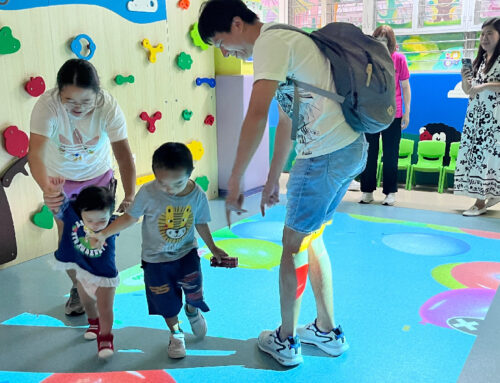
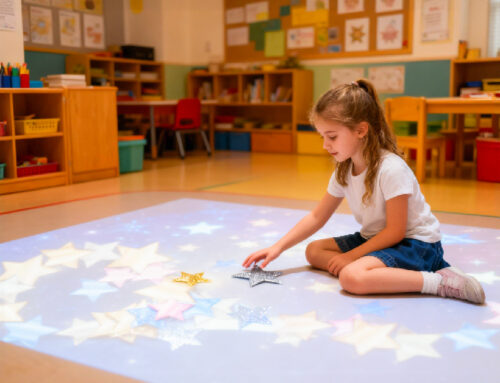
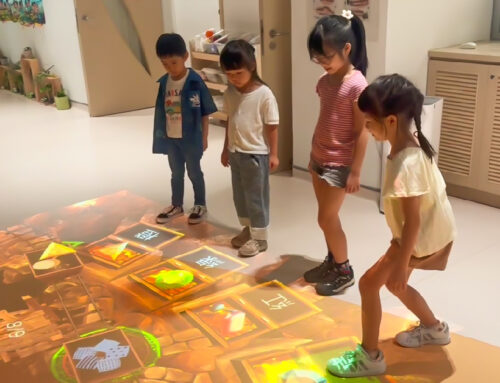
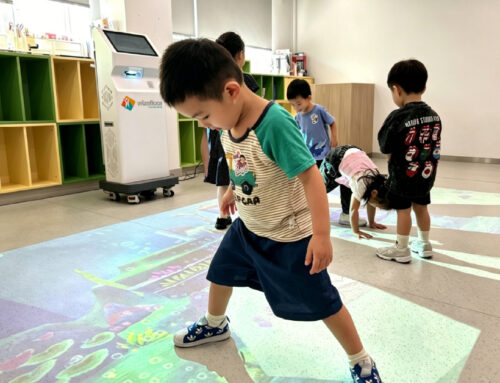
Digital tools and immersive learning technologies accelerate this transition. Interactive floors, gamified learning, and VR environments create engaging experiences that heighten focus and creativity. Teachers, aided by such tools, more effectively act as guides who encourage exploration and innovation.
The Significance of Teacher Transformation
The evolving role of teachers marks a new era of education. Moving from leaders to guides, teachers no longer simply impart knowledge but accompany learners. This transformation opens space for exploration, cooperation, and practice while returning education to its true essence—developing skills and character.
In this vision of the future, teachers and students interact on more equal terms. Education becomes less about transmission and more about inspiration. Teachers' value lies in support and co-learning, helping students find direction in an ever-changing world.
FAQs
Prepare Your Students for the Future
Want to explore more about the future of education and teacher transformation? Read our other articles to see how interactive technologies and immersive learning open new possibilities for schools.