
An Educational Journey with AI: Letting Student Abilities Lead the Way
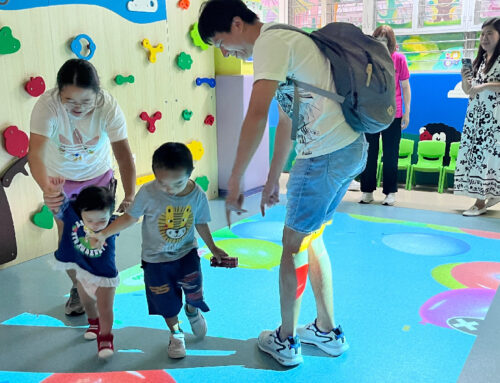
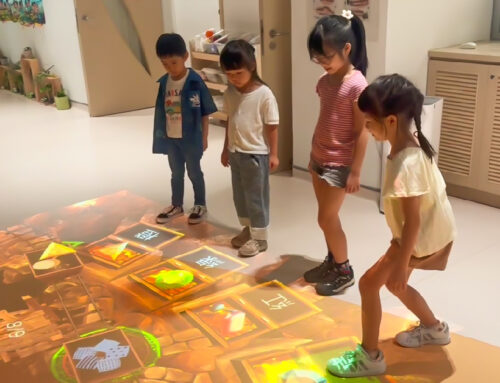
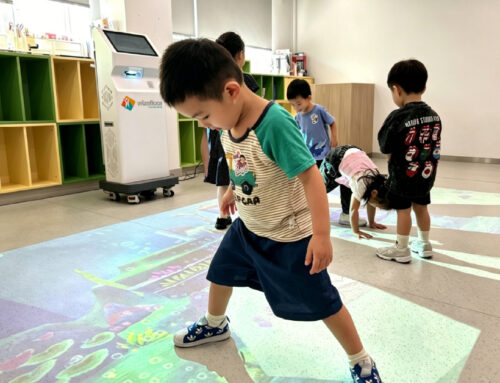
AI is reshaping education, but the real driving force of learning remains the abilities of students. When knowledge, critical thinking, and creativity are integrated into the classroom, AI can play its supportive role effectively. In platforms like WizeFloor, the "Create Your Own Content" function enables students to design games using subject knowledge, imagination, and creativity, highlighting AI's role as a companion in education.
AI and Education: A New Learning Opportunity
"AI in education" has become a global focus. From Europe to Asia, schools are introducing AI technologies for learning analytics, interactive learning, and gamified learning. Especially in language education and math, AI provides immediate feedback and personalized support. Yet experts emphasize that AI should never replace teachers or students' initiative. Without foundational knowledge and thinking skills, even the best AI tools cannot deliver meaningful learning outcomes.
Student Abilities as the Core Driver
The essence of education has never changed: students' abilities are the true engine of learning. While AI can provide insights and suggestions, it cannot substitute for knowledge frameworks, reasoning, and creativity. Effective learning happens when students lead with their abilities, and AI acts as a companion, amplifying their potential rather than creating dependency.
How Knowledge, Thinking, and Creativity Work with AI
AI in education works best when students bring knowledge and creativity to the process. In interactive learning, if students rely solely on AI-generated tasks, they cannot fully grasp language or math concepts. But when they design tasks themselves and use AI to refine or extend them, the learning deepens. Gamification in education then becomes a platform for collaboration, problem-solving, and critical thinking, with AI supporting rather than directing the journey.
WizeFloor and the Practice of AI in Creativity
WizeFloor exemplifies this philosophy. Its "Create Your Own Content" function empowers students to design questions, adjust difficulty levels, and customize sounds and visuals. AI can inspire ideas or provide resources, but the quality of learning still depends on students' knowledge and creativity. Through designing and collaborating, students not only gain subject understanding but also develop respect, teamwork, and communication skills. WizeFloor demonstrates that AI in education should be an assistant, not a replacement.
A Future of Ability-Led, AI-Supported Education
As technology advances, AI will remain part of education, but students will always be the true leaders of learning. Their knowledge, creativity, and critical thinking will drive classrooms, with AI acting as a supportive partner. WizeFloor shows that when students take ownership in gamified and interactive learning, AI's presence enhances efficiency and joy. The future of education lies not in AI replacing humans, but in AI accompanying students on their learning journeys.
FAQs
Prepare Your Students for the Future
Want to explore more about the future of education and teacher transformation? Read our other articles to see how interactive technologies and immersive learning open new possibilities for schools.