
From Skills Development to Educational Innovation, Core Competencies as a New Language of the Era
21st century core competencies are shaping the future of education. These skills include critical thinking, collaboration, creativity, and problem-solving. They influence not only how students learn but also how education responds to rapid social changes. From classrooms to real life, core competencies are becoming key to holistic development and educational reform.
The Meaning of 21st Century Core Competencies
The concept of '21st century core competencies' first emerged in the late 1990s and was promoted globally in the 2000s by the Organisation for Economic Co-operation and Development (OECD), the United Nations Educational, Scientific and Cultural Organization (UNESCO), and the Partnership for 21st Century Learning (P21).
The core competencies encompass critical thinking and creativity, enabling students to evaluate information and generate new ideas. They also emphasize collaboration and communication, equipping learners to work across teams and cultures.
How Core Competencies Influence Student Development
Core competencies not only affect academic performance but also reshape the way students grow. They highlight self-directed learning and problem-solving, allowing students to adapt flexibly to uncertain futures.
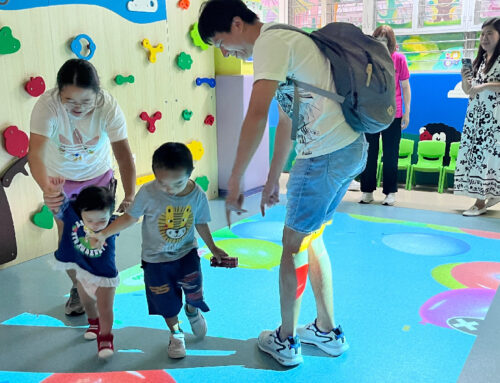
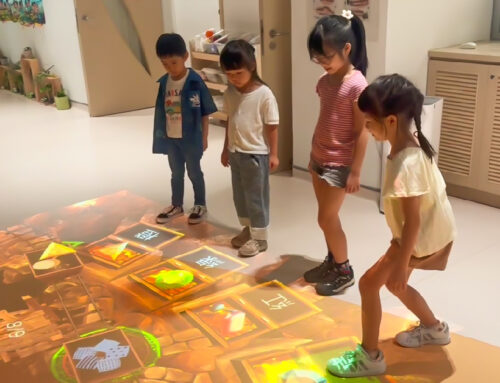
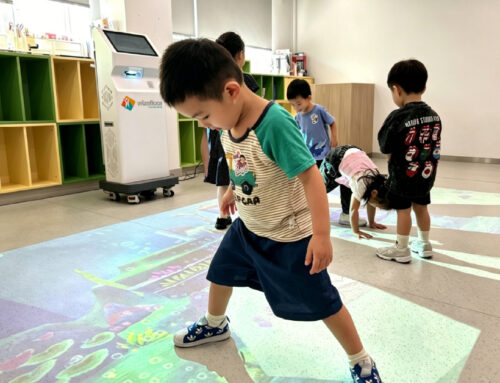
At the same time, they foster interdisciplinary and cross-cultural thinking. Challenges in modern society often require integrating mathematics, science, language, and the arts. In some classroom settings, teachers use the WizeFloor interactive learning system to design challenges. Students must collaborate in groups and find the correct answers through gameplay, practicing critical thinking and communication in the process.
Shifts in Future Educational Trends
Education is moving from knowledge transmission to skills cultivation. Teachers are becoming designers and facilitators of learning, while classrooms are turning into spaces to train thinking, attitudes, and practice.
Meanwhile, the integration of educational technology and interactive learning provides new opportunities for cultivating core competencies. Immersive lesson design and gamified experiences enable students to develop creativity, problem-solving, and teamwork more naturally. The WizeFloor interactive learning system stands out by transforming lessons into physical engagement and collaborative challenges, aligning with the spirit of 21st century competencies.
The Link Between Education and Society
21st century societies are rapidly changing, with new industries, global issues, and technological innovations constantly emerging. Core competencies are education's response to these challenges, giving students adaptability and the ability to make sound judgments.
They also carry the responsibility of shaping future citizens. Core competencies emphasize not only skills but also values and attitudes. Students learn responsibility, cooperation, and creativity during their education, ultimately contributing to social progress.
A New Direction in Education
21st century core competencies not only reshape the classroom but also drive systemic reform. They transform education from pure knowledge delivery into a space for skills, values, and holistic development. Since these competencies require authentic learning environments, the WizeFloor interactive learning system becomes an effective tool to support this transformation. Through participation and collaboration, it helps students embody the principles of 21st century education in real classroom practice.
FAQs
Prepare Your Students for the Future
Want to learn more about how 21st century core competencies are driving educational reform? Explore our other articles to discover how focus training, gamified learning, and interactive learning can prepare students for the future.