
From Personal Growth to Social Progress, the Deeper Meaning of Education
The importance of positive education lies in fostering both personal character and social development. Through respect, positive thinking, and constructive values, students develop self-discipline, creativity, and resilience, while contributing to cooperation and responsibility in society.
New Educational Needs in a Pressured Society
With information overload, intense competition, and social media pressures, students are more vulnerable to anxiety and isolation. Education is no longer only about knowledge delivery but also about helping students stay balanced under stress. Positive education addresses this need by cultivating resilience, confidence, and constructive attitudes, enabling students to face challenges in healthier ways.
Core Concepts and Practice of Positive Education
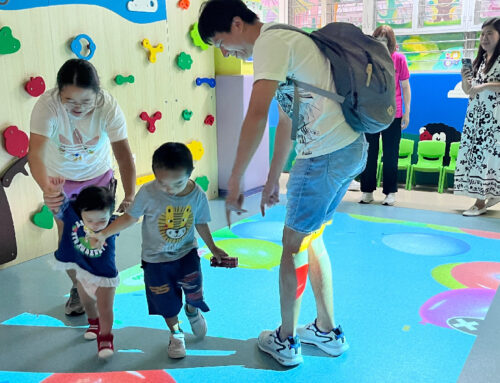
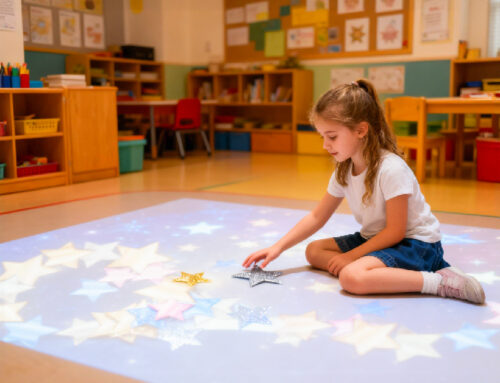
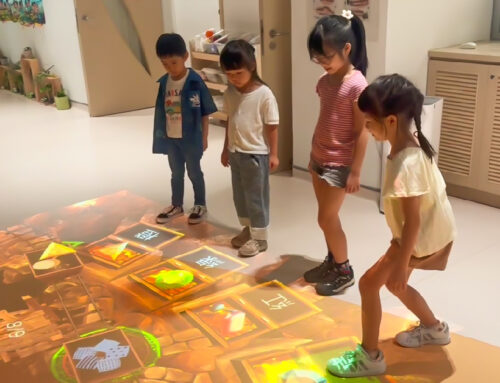
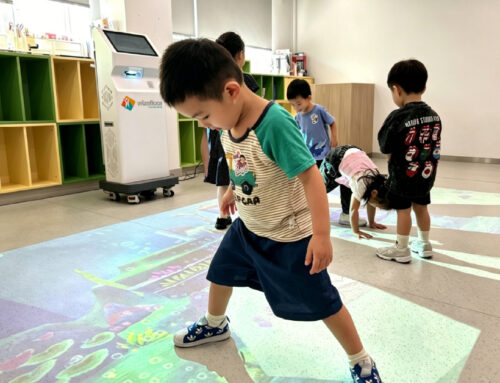
Positive education emphasizes respect, cooperation, and positive thinking, embedding values into daily learning. When teachers create supportive environments, students gain the courage to try new approaches and build trust in peers. Tools like WizeFloor translate these values into practice: in collaborative games, students learn mutual support, build confidence during challenges, and try again after mistakes. This immersive learning and participation make positive education a lived experience rather than a slogan.
Dual Value: Personal Character and Social Development
For individuals, positive education fosters self-discipline and responsibility, while improving stress management by helping students view challenges as opportunities for growth. In supportive environments, creativity and problem-solving skills are more likely to emerge. For society, these traits transform into cooperation, respect, and responsibility, promoting harmony and sustainable development. When tools and ideas combine, education shapes both better individuals and more inclusive communities.
Co-Creation Between Teachers and Students
Among Positive education is not only a theory but must be practiced. With interactive technologies like WizeFloor, teachers can integrate positive values into classroom activities, enabling students to build character through authentic experiences. This co-learning model cultivates discipline and collaboration while ensuring education stays relevant to contemporary needs.
The Long-Term Impact of Positive Education
Positive education turns learning from a one-way transfer of knowledge into a fusion of character development and social responsibility. When students grow in confidence and resilience, they are better prepared for future challenges.
Its value goes beyond schools, extending to long-term social progress. It nurtures responsible, cooperative, and resilient citizens, making education a true driver of advancement. Positive education thus builds individuals while injecting lasting strength into society.
FAQs
Prepare Your Students for the Future
Want to learn more about interactive learning and educational innovation? Visit our other articles to explore a new blueprint for student-centered education.